RF vs AM – what’s the difference and why that’s relevant to your business
Both RF (Radio Frequency) and AM (Acousto-Magnetic) EAS systems protect merchandise by creating a detection field at store exits. When an active tag passes through the field without being deactivated, the system triggers an alarm.
Customers and retailers don’t want the gates to be visually prominent; the focus should remain on the products. Detection distance directly affects entrance design, customer flow, blind spots and overall security performance.
RF Technology
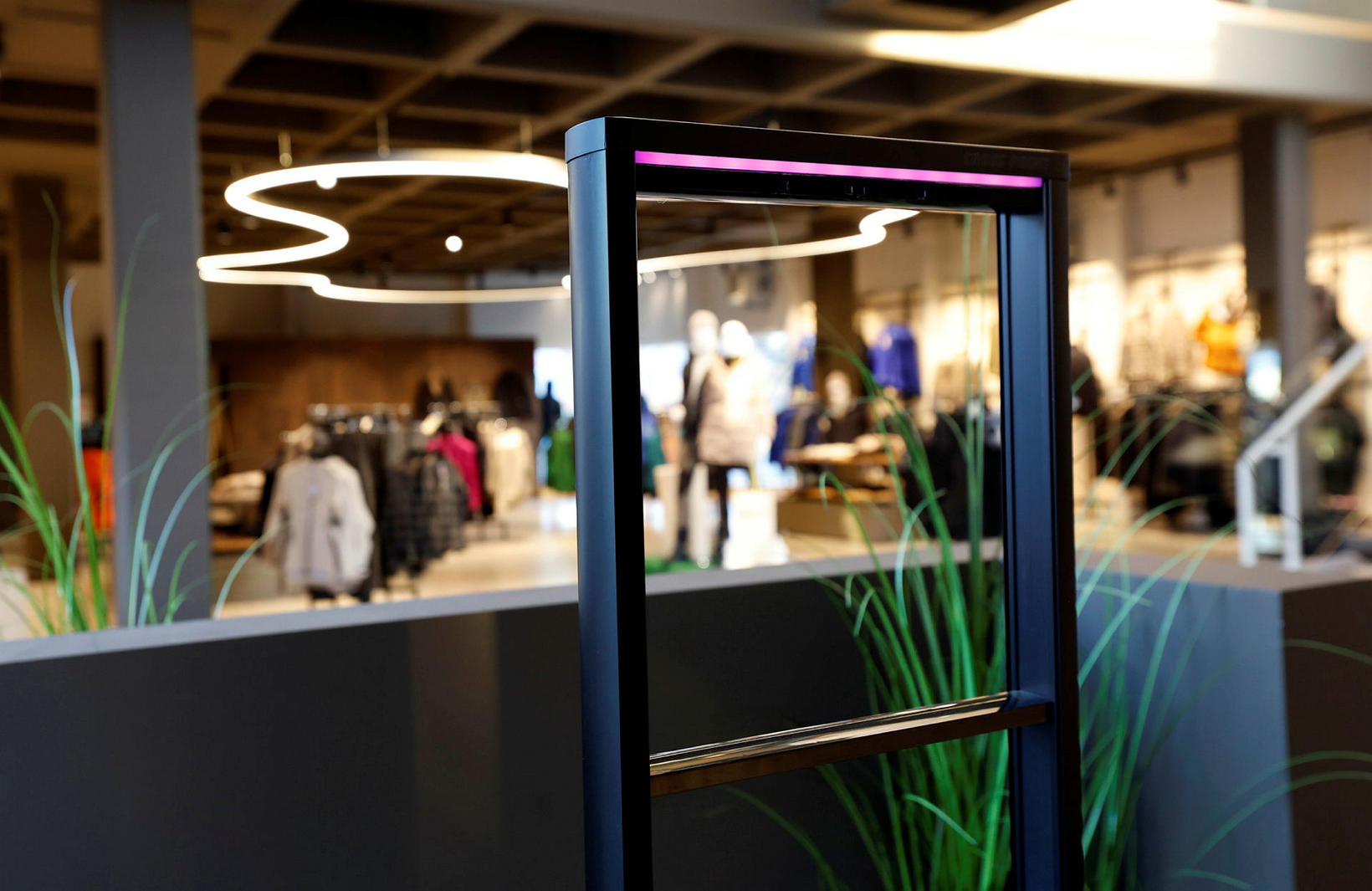
RF systems typically operate at 8.2 MHz and detect RF labels or hard tags as they pass between the antennas. RF is widely used due to its cost-effectiveness and compatibility with disposable paper labels.
- Generally lower hardware and consumable costs
- Ideal for high-volume RF paper labels
- Best suited for grocery retail
- Shorter detection distance between gates
- More sensitive to environmental interference
AM Technology
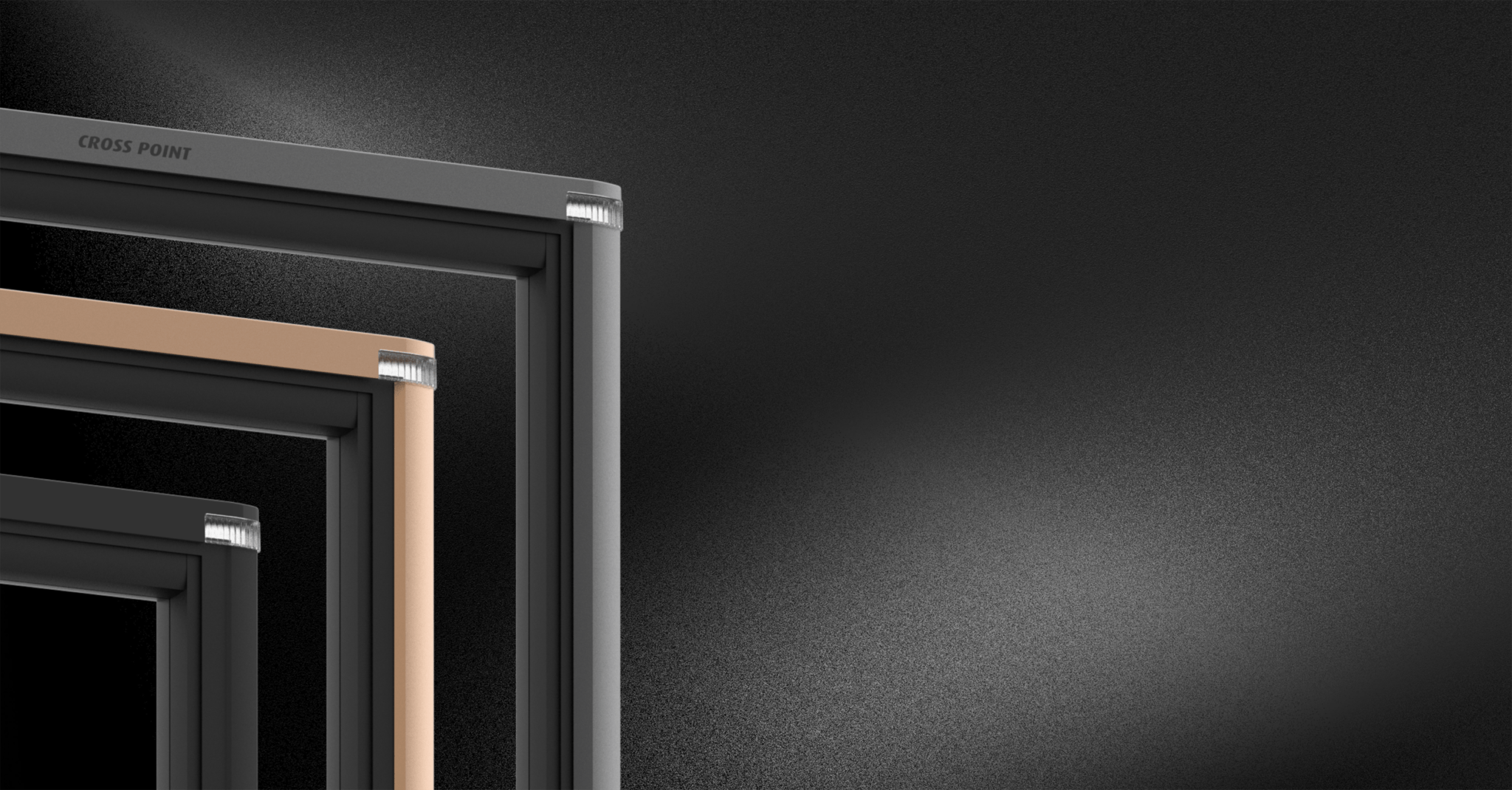
AM systems operate at 58 kHz and use a resonating magnetic response from the tag. This technology delivers exceptionally stable detection, even in challenging retail environments.
- Significantly wider detection distance
- Ideal for wide or high-traffic entrances
- Reduced risk of blind spots
- Excellent performance in demanding layouts
- Although generally a higher cost per gate, fewer gates are often required in larger entrances
- Generally higher cost on DR labels
Security that supports the shopping journey
The entrance should feel open, intuitive, and effortless. Customers expect clear sightlines, confident flow, and a store environment that feels easy to enter — not cluttered by unnecessary barriers.
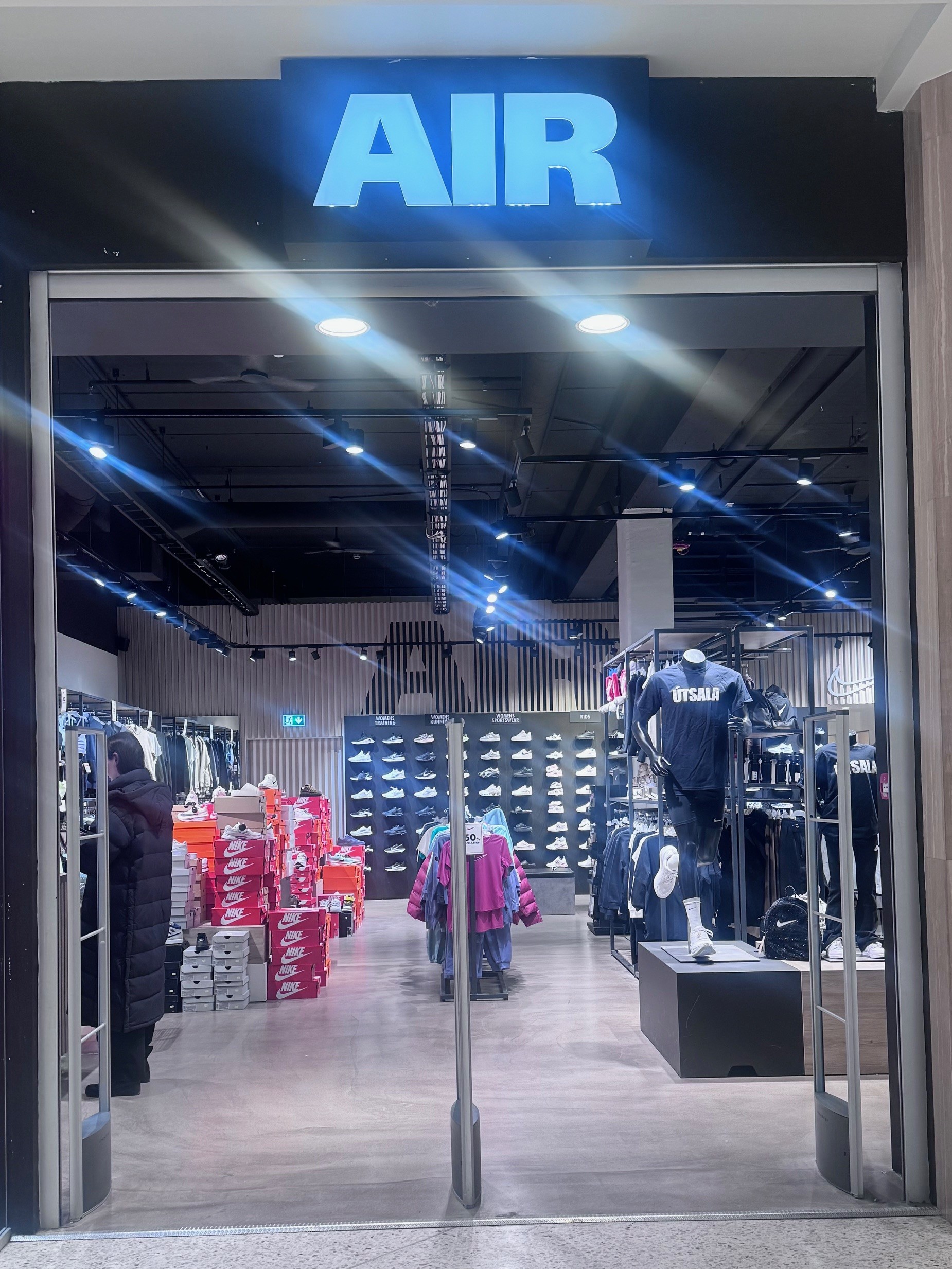
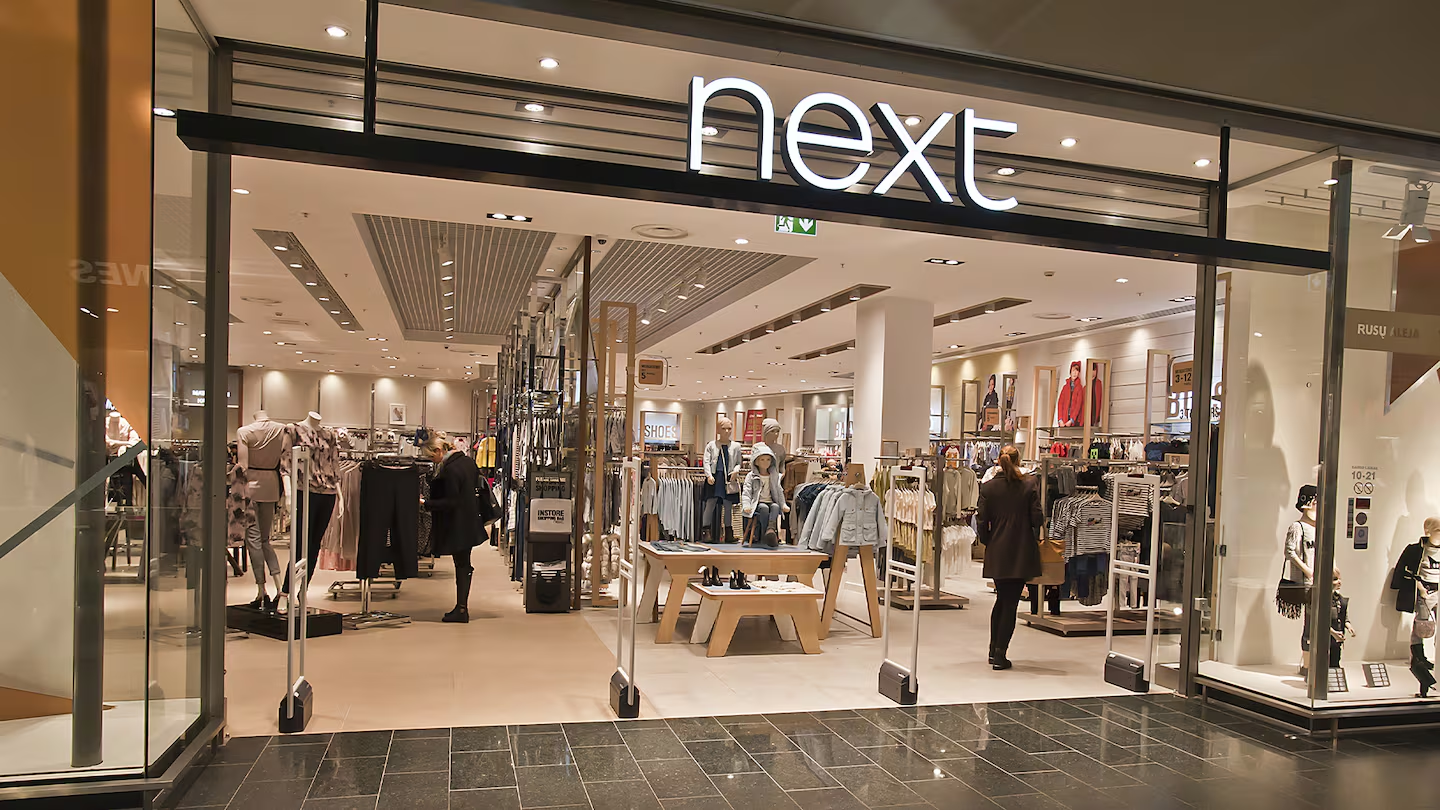
In fashion retail, the entrance is part of the experience. A cleaner entry creates a stronger first impression, improves sightlines, and supports a more natural customer journey from the moment shoppers step inside.
High-performance AM systems deliver wider protection per gate. That means large entrances can be secured more efficiently, with fewer pedestals, less visual disruption, and a better balance between security and store design.
Fewer gates — and a smoother, more premium customer experience.
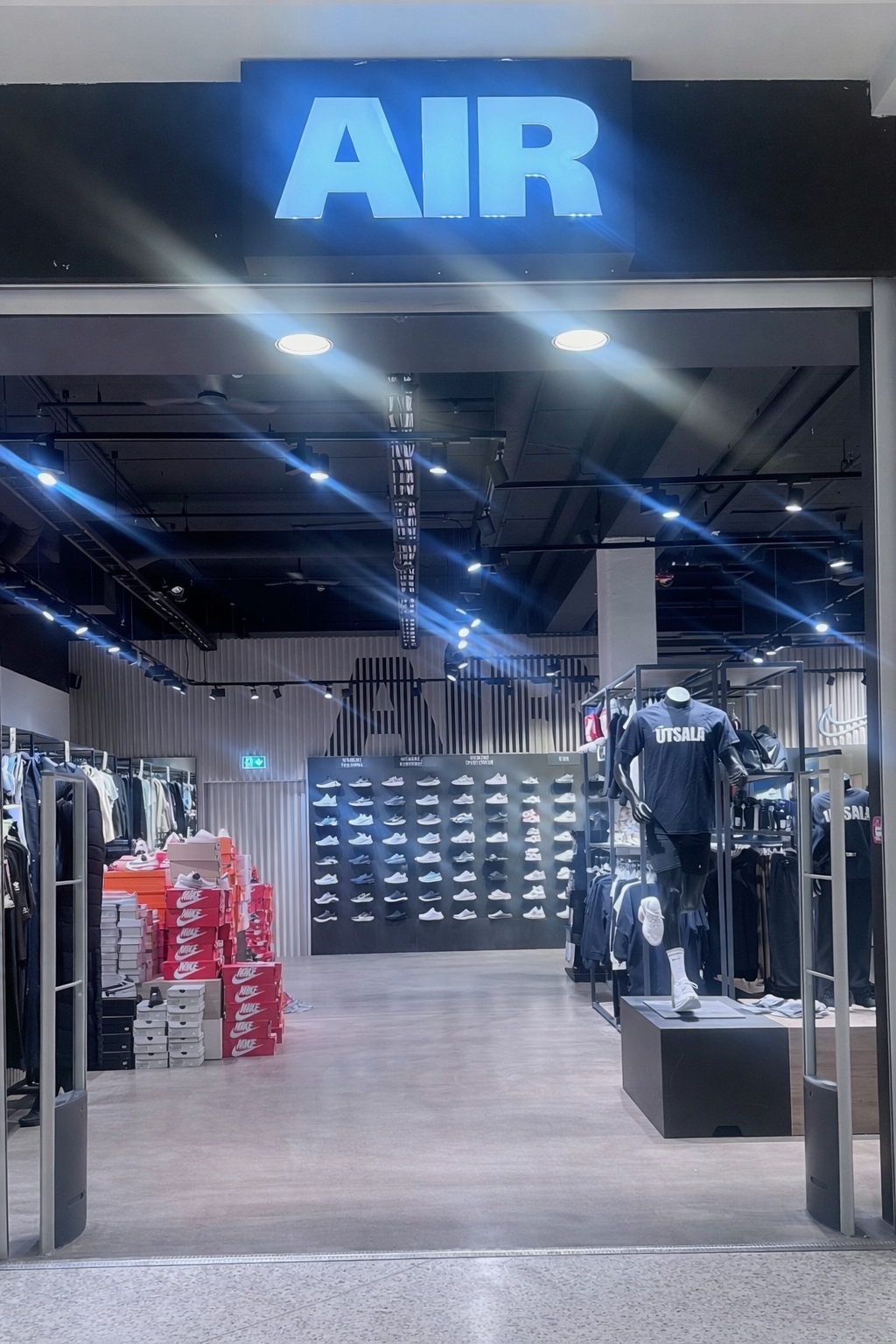
How important is the first impression?
Customers decide how a store feels within seconds of walking in. A wide, open entrance feels premium, inviting, and easy to navigate — while a crowded entrance can immediately compromise that perception.
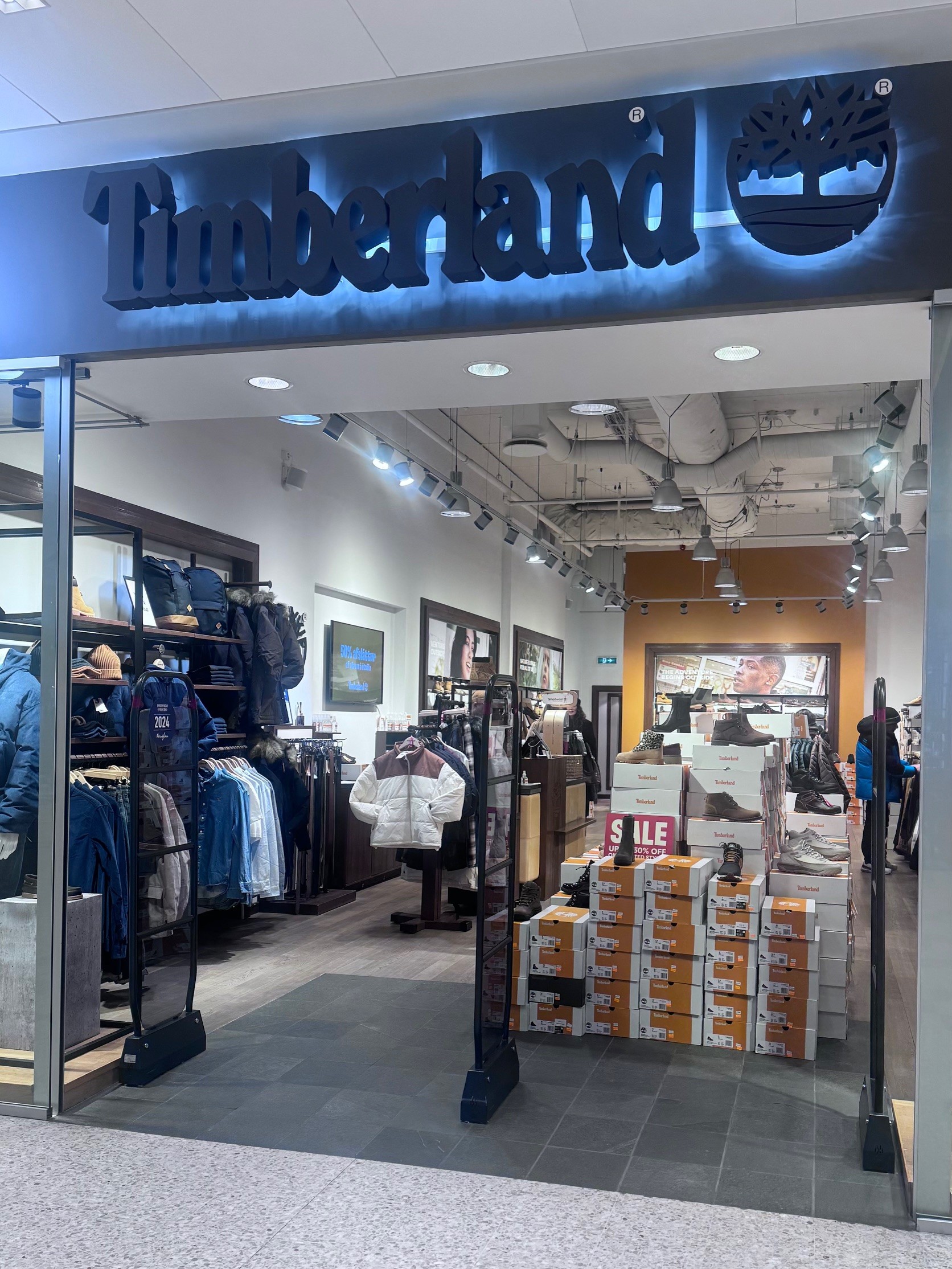
The EAS technology chosen directly affects how many gates are required. More pedestals mean more visual interruption, tighter entry flow, and a weaker first impression at one of the most important points in the store.
AM technology supports wider spacing between gates, so the same entrance can often be protected with fewer pedestals — improving customer flow, enhancing visibility, and creating a more open, premium arrival experience.
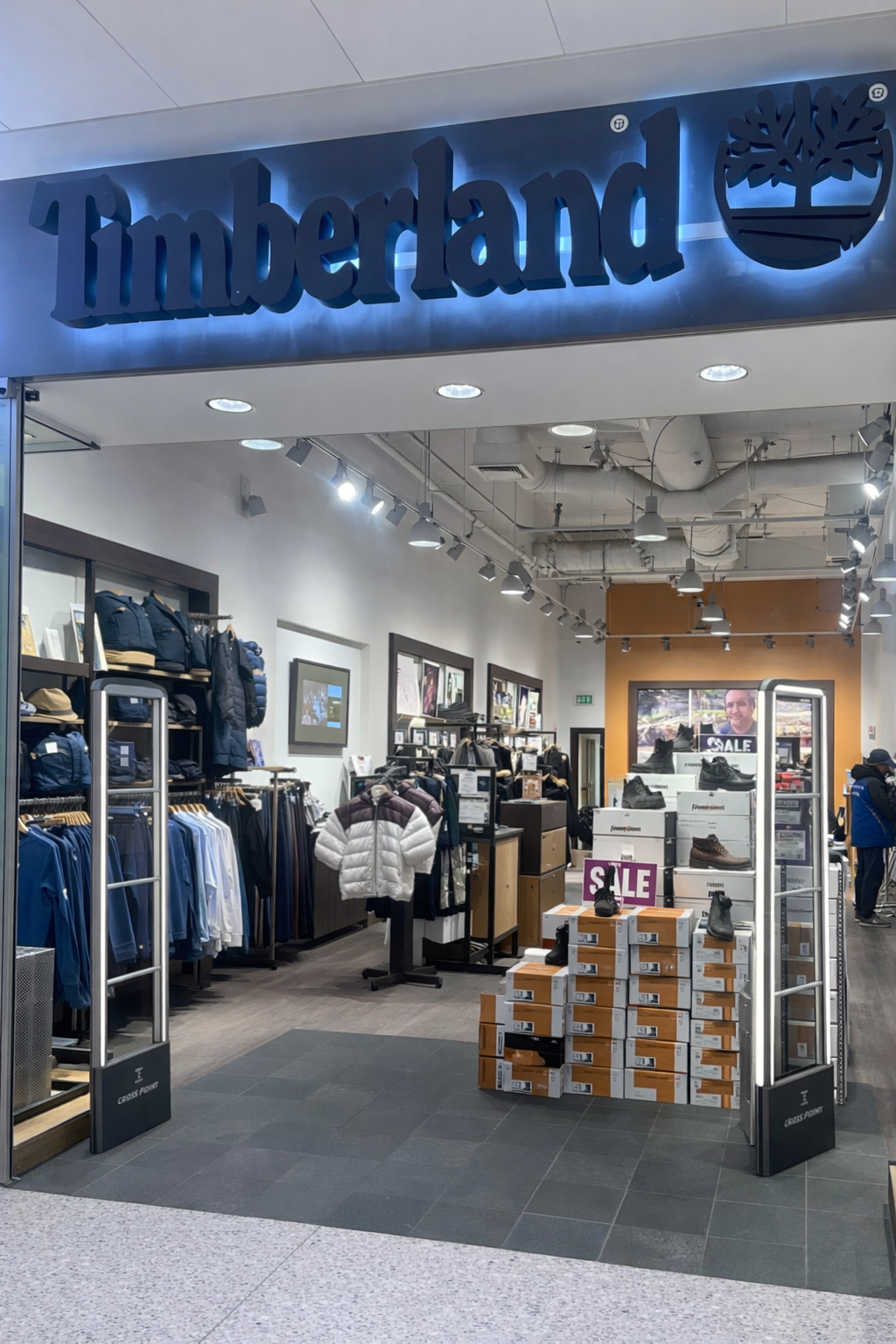
LINDEX — a stronger case for AM gates
In fashion retail, the entrance should feel open, premium, and effortless. The right gate technology protects the store without compromising the arrival experience.
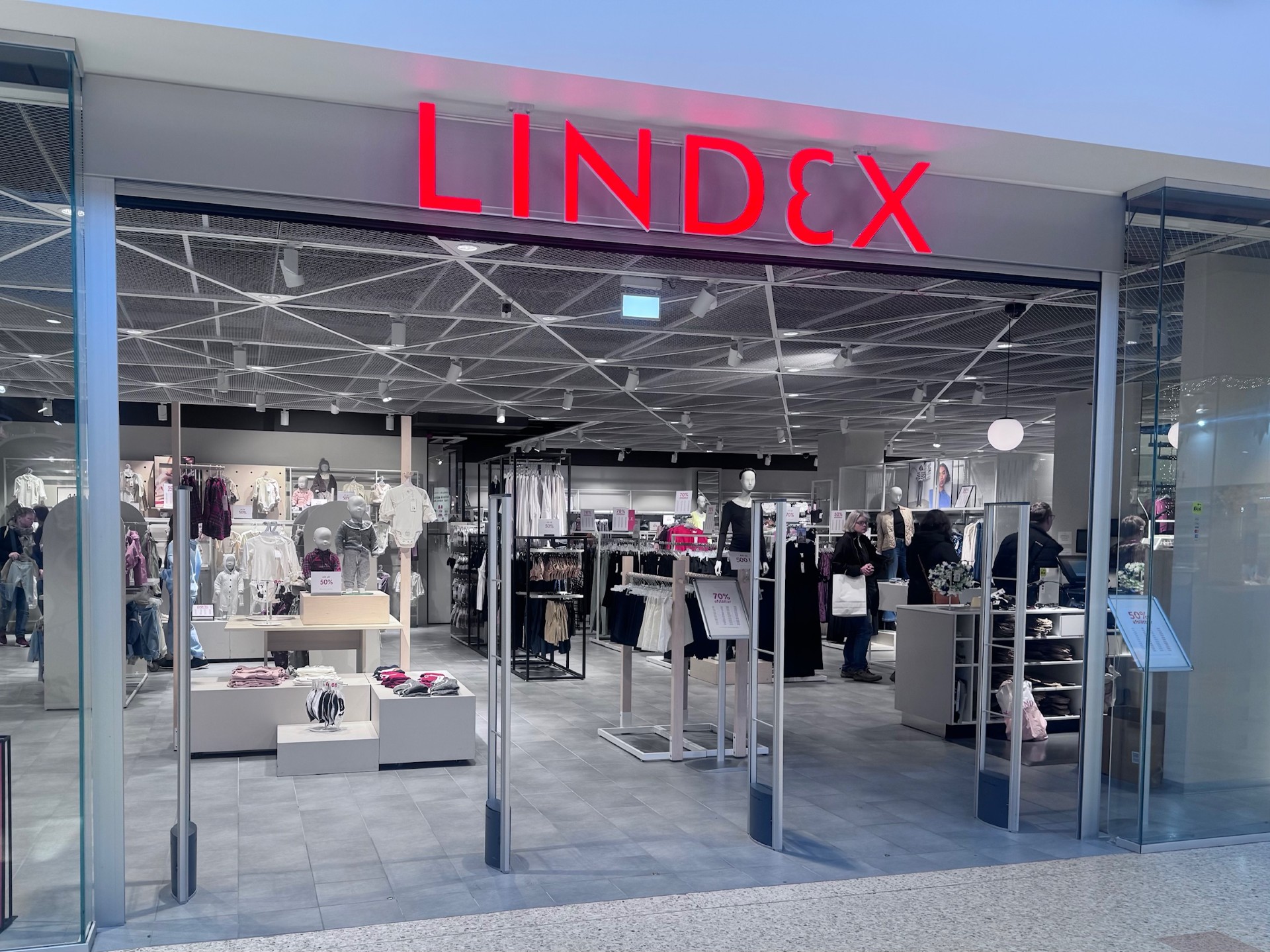
With fashion retail, the entrance should feel open, premium, and intuitive. Gate choice matters because it directly affects the number of pedestals, the perceived width of the entry, and the quality of customer flow.
A high-performance AM system allows wider spacing while maintaining reliable detection — helping you protect a wide opening without turning the entrance into a visual barrier.
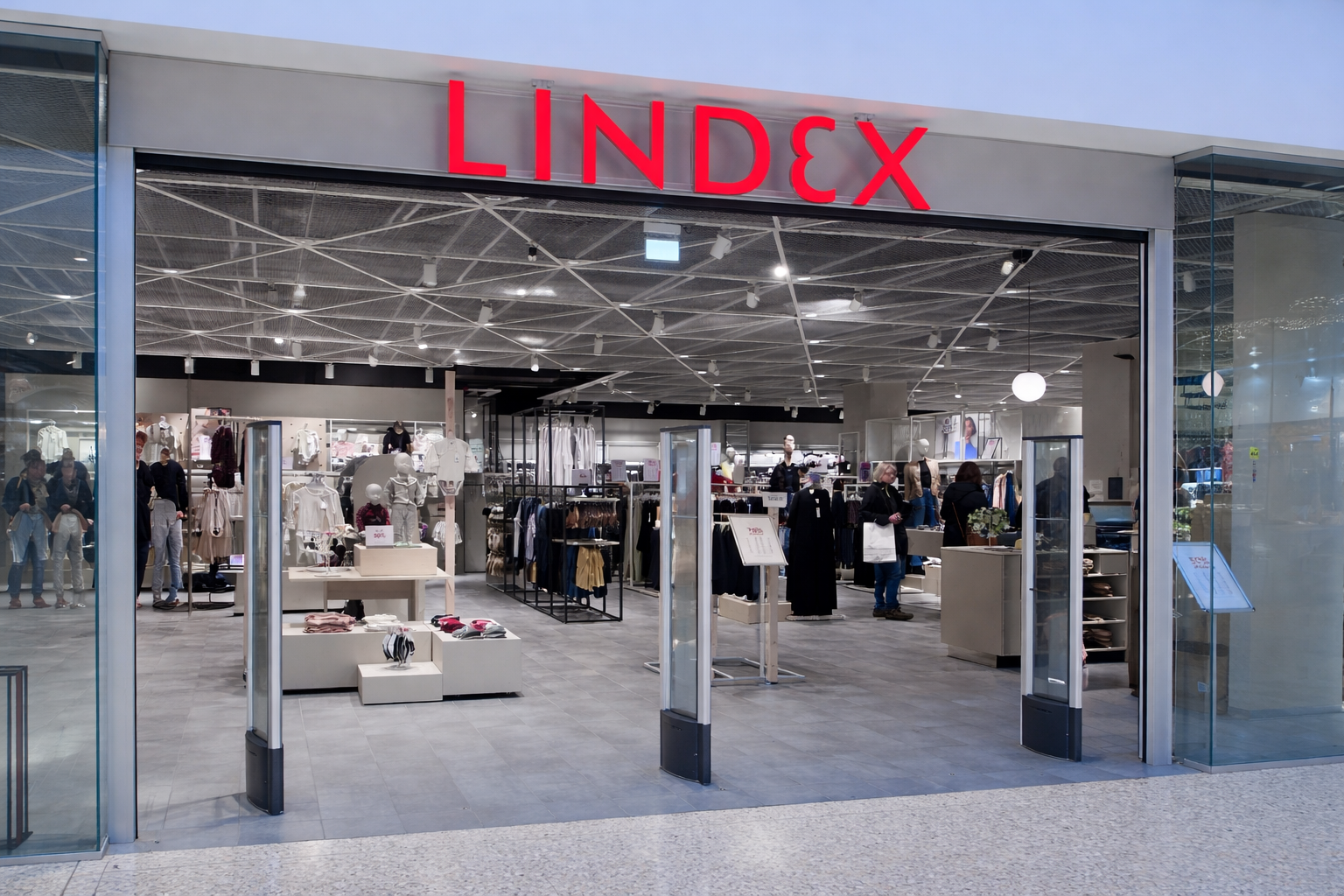
Another retail entrance — fewer gates, better welcome
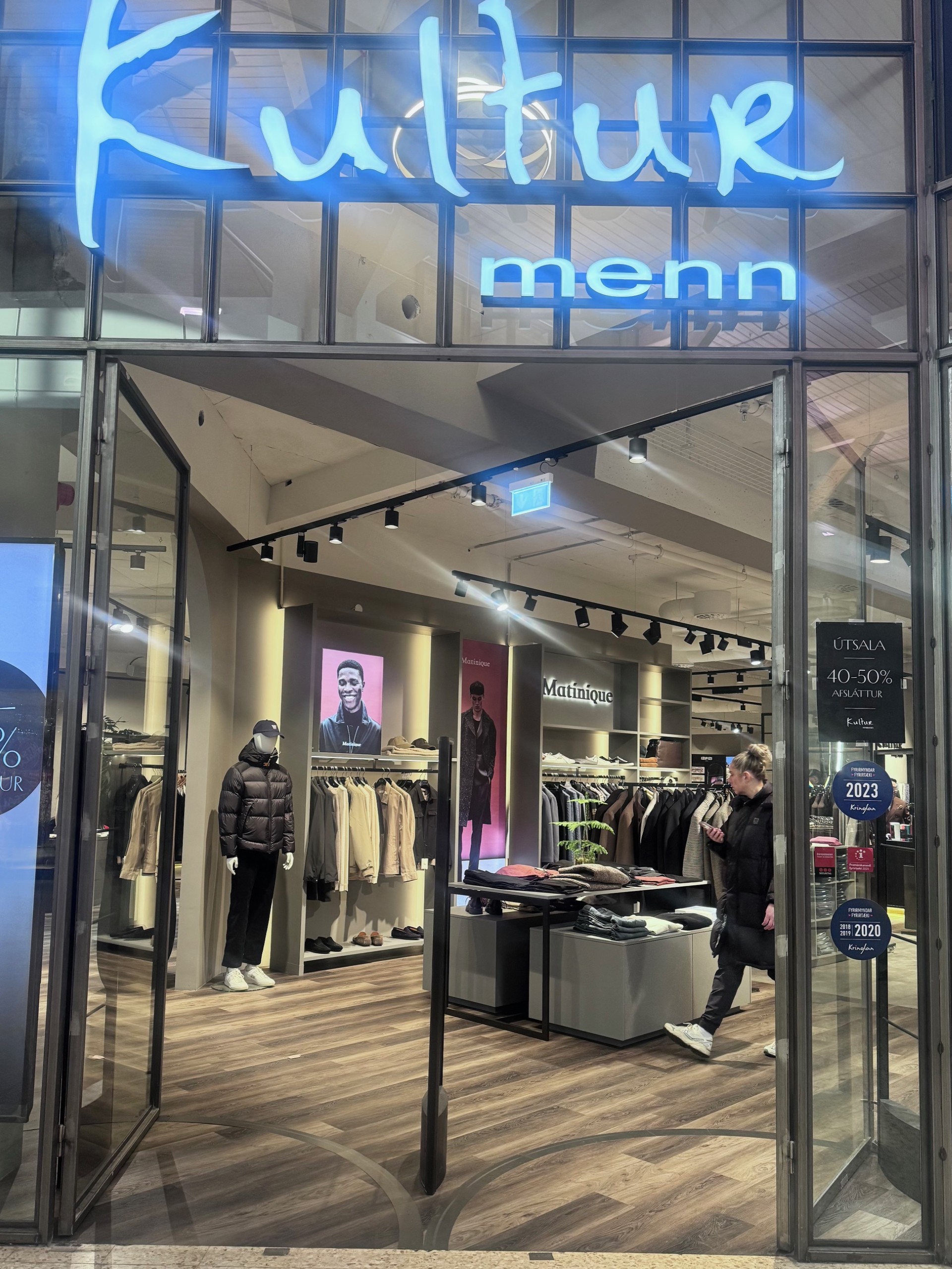
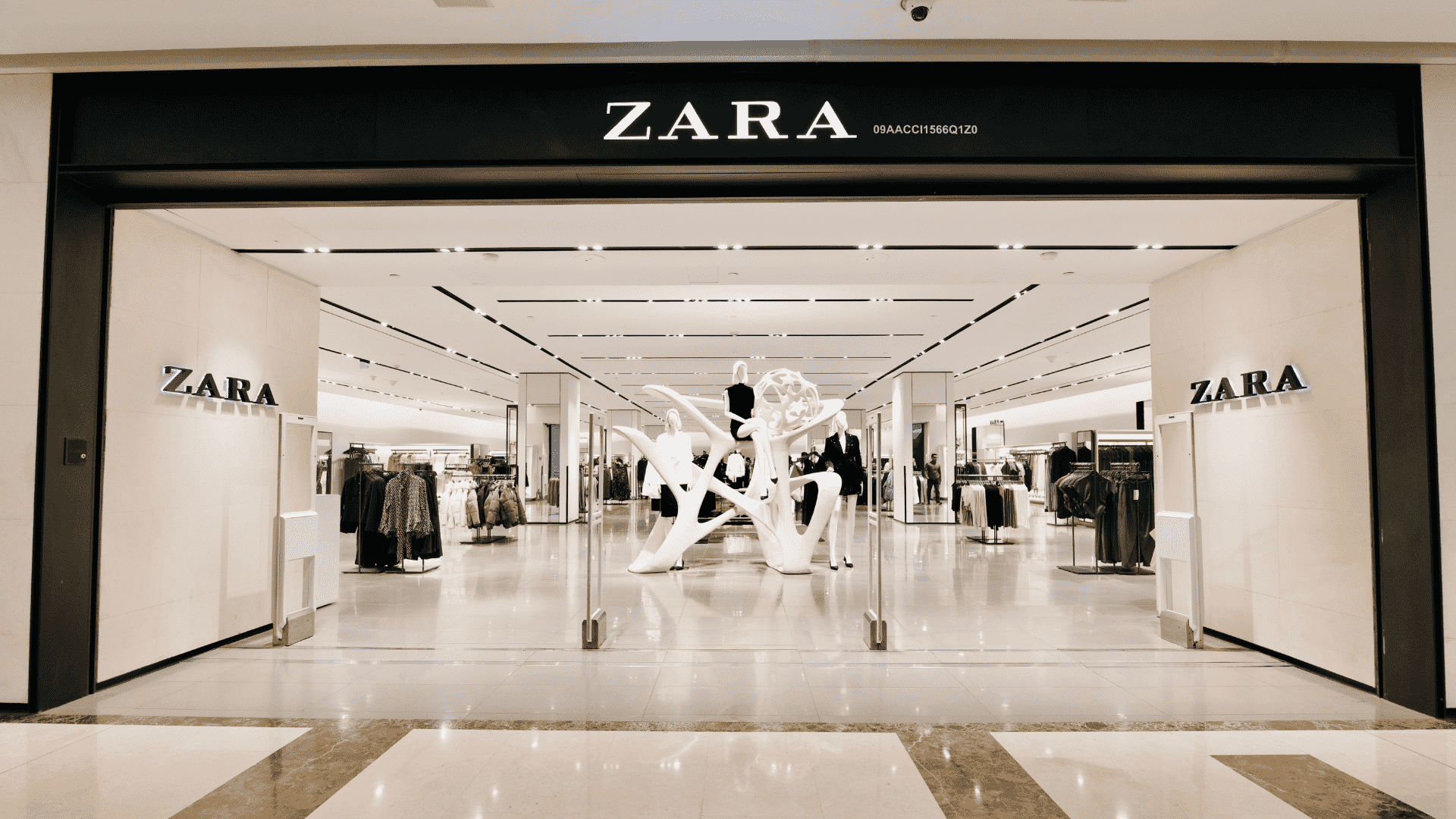
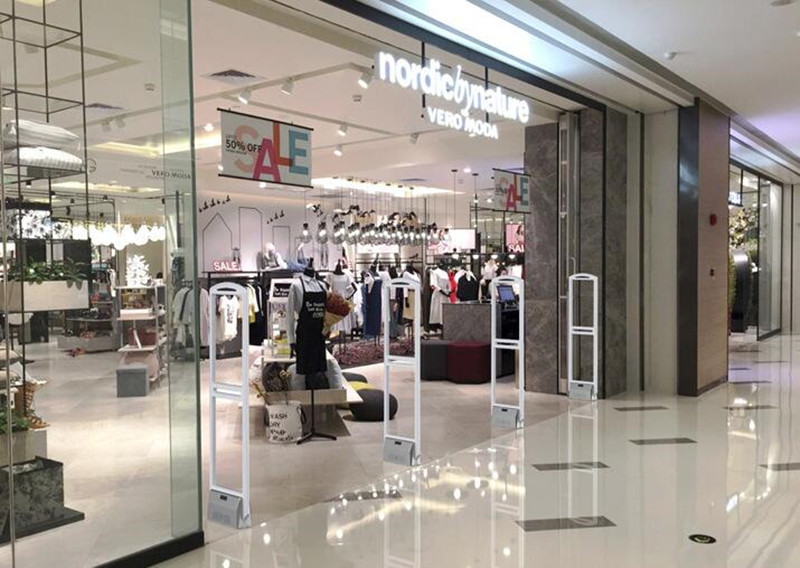
In this store entrance, three pedestals were installed to cover the full width. That creates a tighter visual entry and can interrupt the clean, open feeling customers expect as they arrive.
With the right EAS technology allowing wider spacing, the same opening could be protected with just 2 gates — one either side — creating a more elegant and less intrusive entrance.
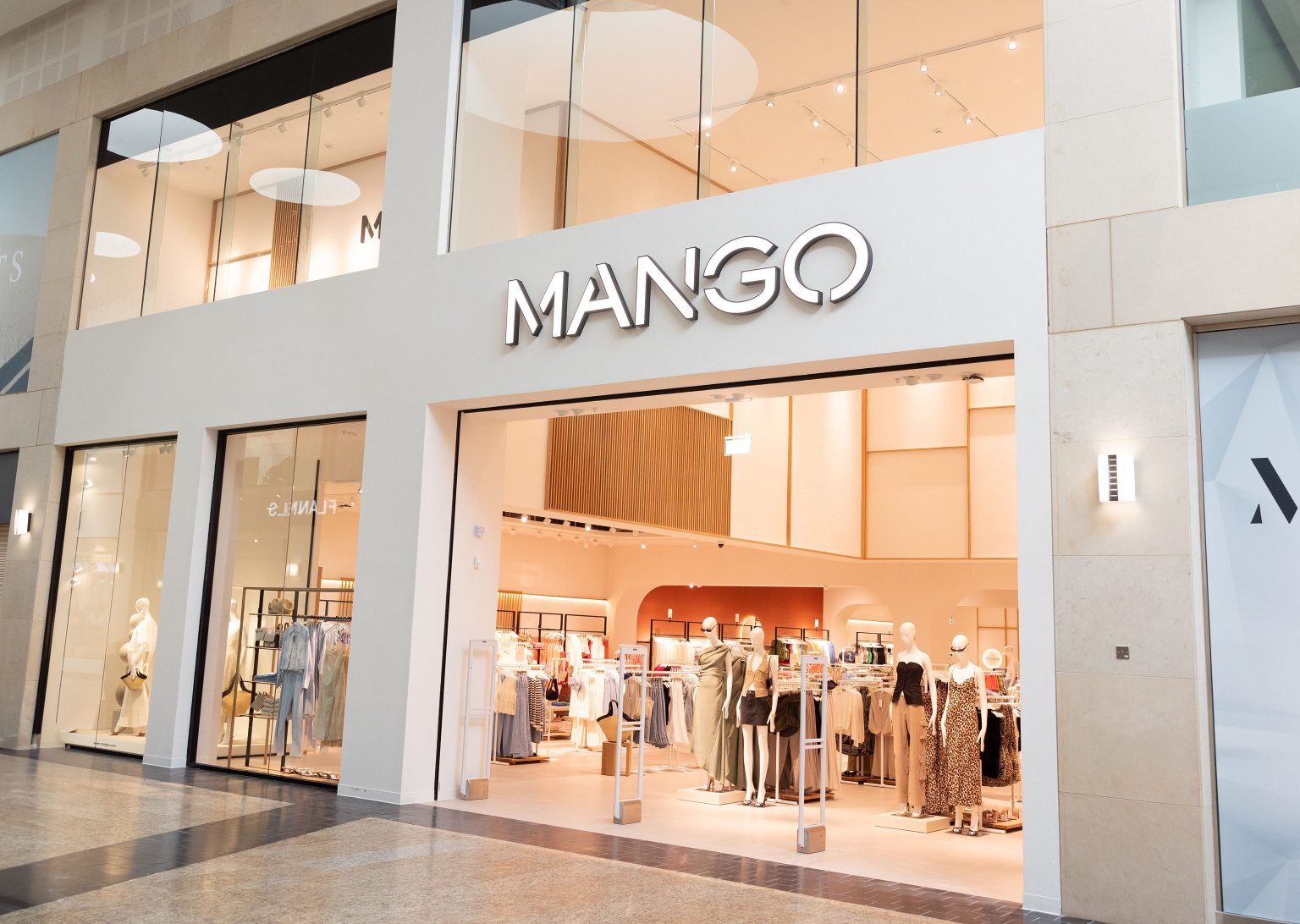
Another entrance example — 2 gates would be enough
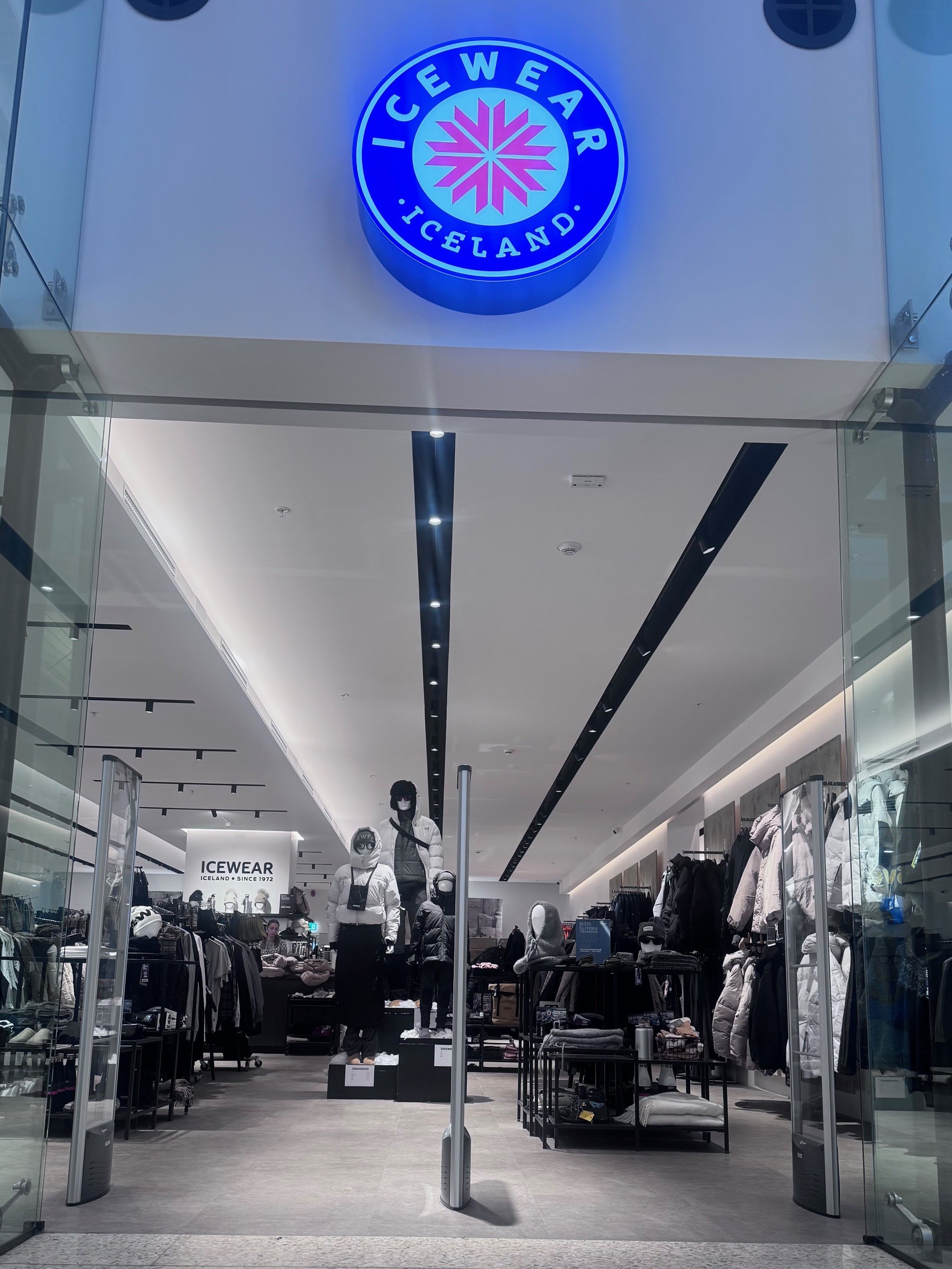
This entrance is currently protected using 3 gates. With the right AM solution and wider spacing, the same opening could be covered with 2 gates — one on each side.
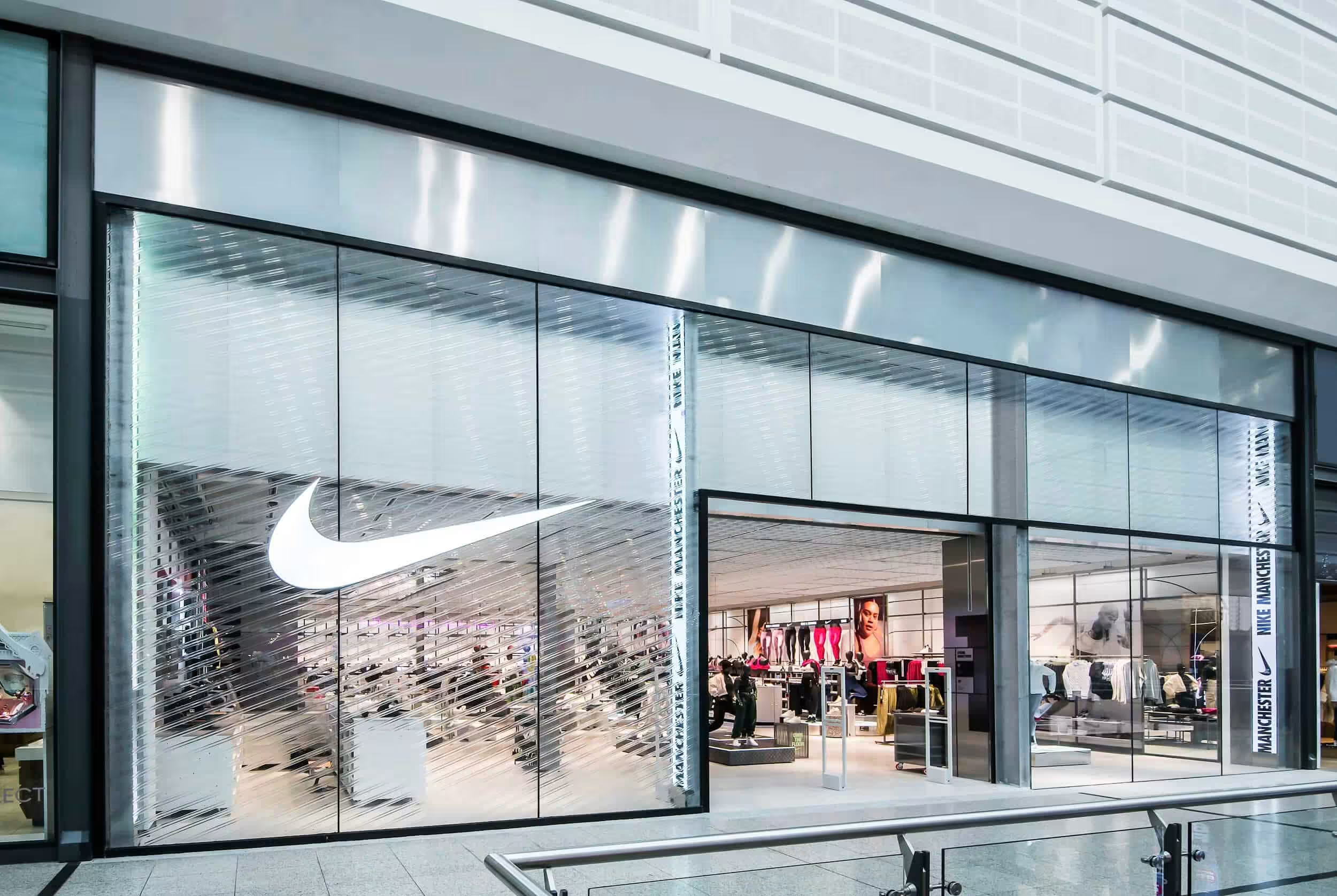
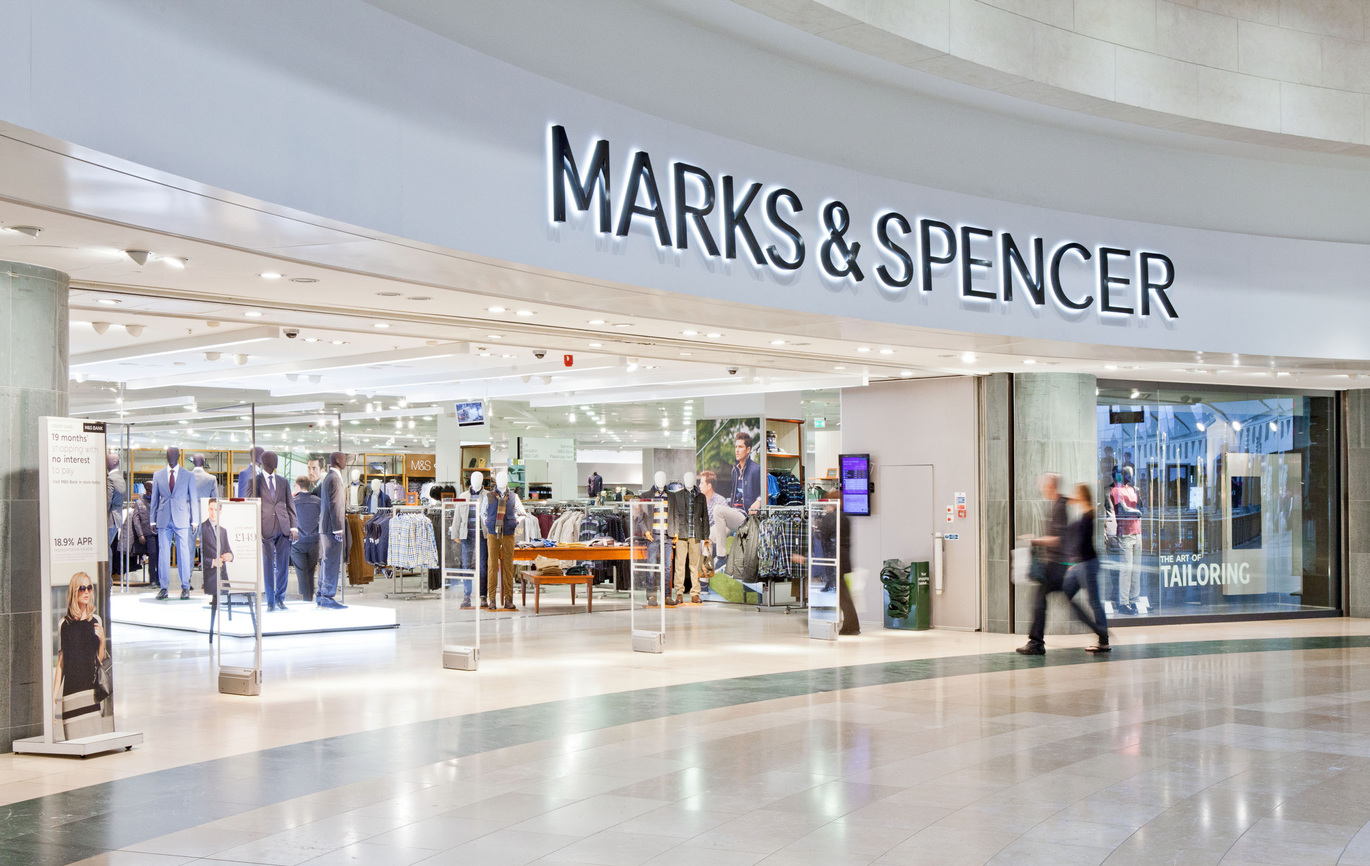
Leading brands are standardising on AM systems
Global retailers are increasingly choosing AM technology because it delivers wider gate spacing, higher detection reliability, and fewer visual barriers at the entrance. The result is stronger protection without compromising store design, customer flow, or the overall shopping experience.